







Reply:
Rewriting an article to be 100% unique while maintaining its high quality and original meaning requires careful paraphrasing and reorganization of the content. It is essential to thoroughly replace words and sentences, alter sentence structures, and use synonyms to avoid plagiarism. Additionally, reorganizing paragraphs and points can provide a new perspective on the subject matter.
Adding relevant and current information such as statistics or examples can also contribute to the uniqueness of the article. In place of existing examples, new and equivalent ones can be used to refresh the content. To further enhance the article’s novelty, new headings and subheadings can be created to reflect the restructured information.
Moreover, adjusting the tone of the article can also contribute to its uniqueness, as it will differ from the original piece. Ensuring coherence and logical structure throughout the article is crucial to maintain its high quality and original meaning. Keywords relevant to the topic can also be included in the rewritten content to retain its specific SEO value.
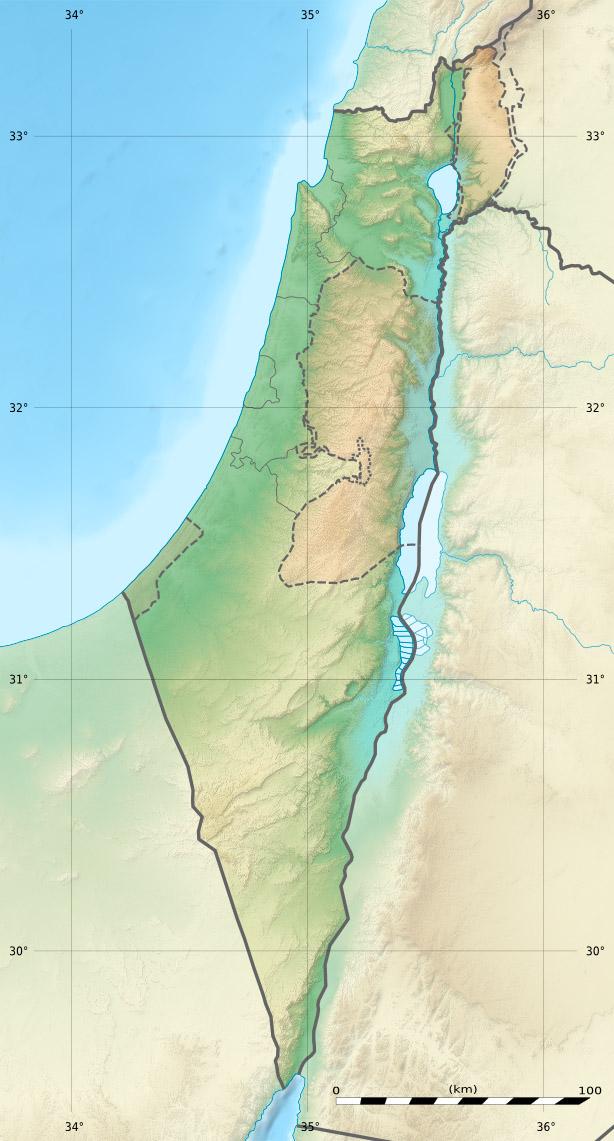
The article in question focuses on the Israel-Hamas conflict, which erupted on May 13, 2024. This conflict holds great significance, representing deep-rooted animosity between the two sides, with far-reaching implications for the region and the world. The article utilizes a symposium of voices and analysis to explore the complexities of the conflict, tracing its roots, and providing insights into potential pathways towards resolution and peace.
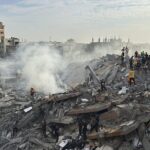
On October 7, the conflict resulted in devastating casualties, including civilians, as Israel announced the deployment of additional troops to Rafah in response to Hamas’s attack. Efforts for peace and de-escalation are imperative in such a volatile situation, and diplomatic initiatives are urgently needed to seek a sustainable resolution. The conflict’s impact extends beyond the immediate combat zones, affecting infrastructure and regional dynamics.
To understand the conflict’s root causes and escalation, deep-seated territorial disputes between Israel and Palestine and Hamas’s militant actions must be considered. The use of violence and terrorist tactics by Hamas has significantly escalated the conflict, leading to a cycle of retaliation and resulting in challenges for diplomatic solutions.
The ongoing conflict has had a devastating impact on civilians and infrastructure, causing widespread displacement and disruption of daily lives. To achieve perceived victory, calls have been made to destroy Hamas’s underground infrastructure, potentially causing further damage to the already fragile infrastructure in Gaza, exacerbating the humanitarian crisis.
To ensure long-term peace and stability in the region, prioritizing political solutions to conflicts and redefining violence prevention approaches are crucial. By implementing these recommendations, the region can move towards a more peaceful future.
In conclusion, the Israel-Hamas conflict has left a lasting impact on global politics and society. The complexities of this longstanding conflict demand a nuanced approach, taking into account diverse narratives and experiences of those affected. It is essential to recognize the human cost of war and urgently seek diplomatic solutions to pave the way for a more peaceful future for all involved.

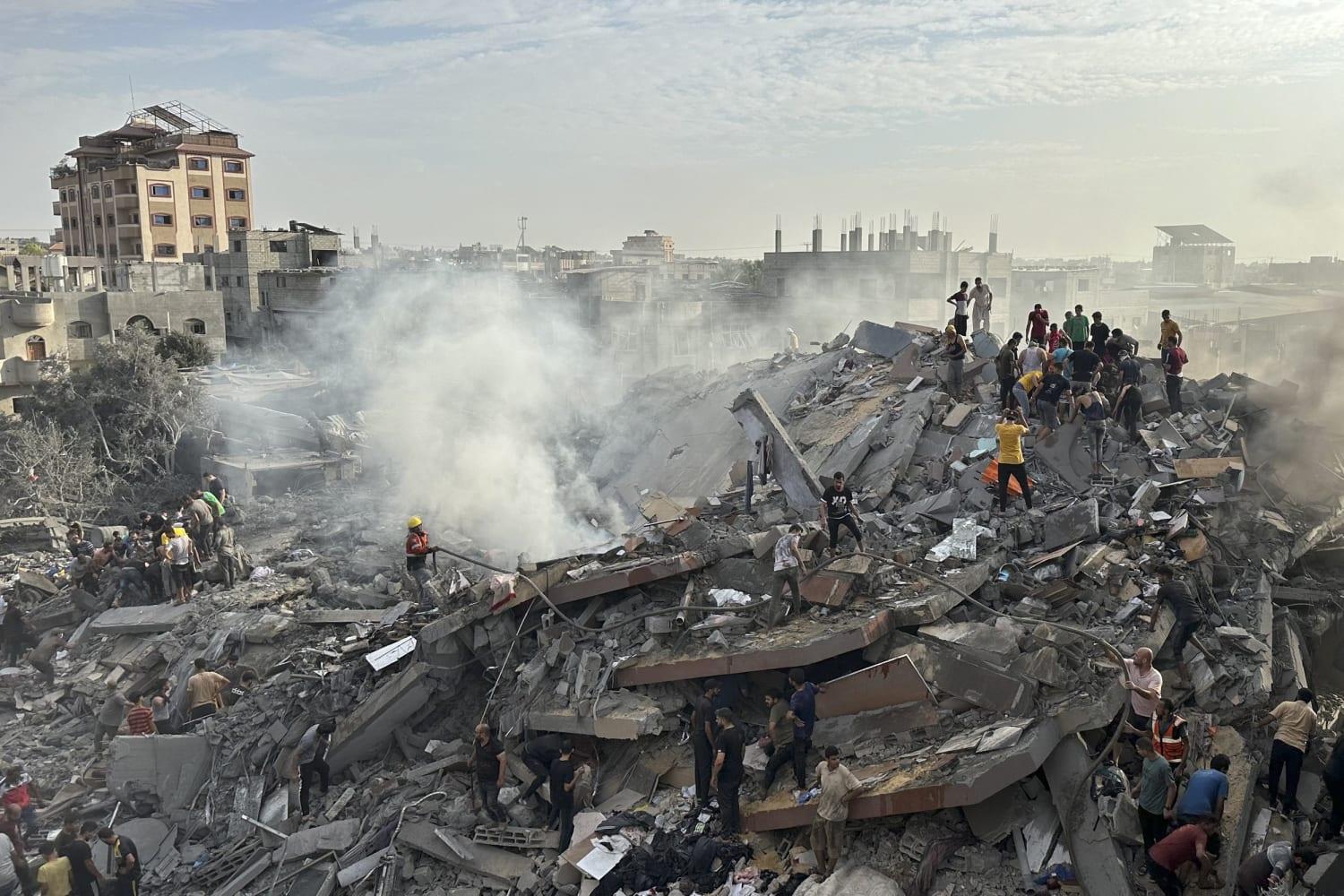

[…] bombings in areas such as Jabalia. This has also deepened the humanitarian crisis in the region [3a] [3b], prompting international observers to closely monitor the situation. Famine fears are also on […]